
bath room glass
The integration of smart monitoring systems with industrial equipment has revolutionized operational efficiency, safety, and maintenance practices. Among the critical components benefiting from this technological advancement are gate valves, which play a pivotal role in controlling fluid flow across pipelines. Modern gate valve types , including the 3 gate valve , 30 gate valve , and 4 gate valve , are now being designed with embedded sensors and connectivity features to enable real-time data collection and analysis. This article explores how smart monitoring enhances the performance of these valves, their applications, and the unique advantages they offer in industrial settings. 3 Gate Valve: Compact Solutions for Residential and Light Industrial Use The 3 gate valve is a compact, lightweight valve designed for systems requiring precise flow control in confined spaces. Its 3-inch diameter makes it ideal for residential plumbing, small-scale water treatment plants, and light industrial applications. When integrated with smart monitoring, this valve gains capabilities such as leak detection, pressure tracking, and remote operation. For example, in residential complexes, a 3 gate valve equipped with IoT sensors can alert homeowners to potential leaks before they escalate. In light industrial settings, operators can monitor valve status via centralized dashboards, reducing manual inspections. The integration also supports predictive maintenance, where algorithms analyze historical data to forecast component wear, ensuring timely replacements. Manufacturers prioritize durability in 3 gate valve designs, using materials like stainless steel or brass to withstand corrosion. With smart features, these valves not only improve safety but also extend service life, making them a cost-effective choice for low-to-medium pressure systems. 30 Gate Valve: Heavy-Duty Performance for Large-Scale Systems The 30 gate valve is engineered for heavy-duty applications, such as oil refineries, power plants, and municipal water distribution networks. Its 30-inch diameter allows it to manage high-volume fluid flow, while robust construction ensures reliability under extreme pressures and temperatures. Integrating smart monitoring into a 30 gate valve transforms it into a data-driven asset. Sensors embedded in the valve body track parameters like flow rate, temperature, and valve position. This data is transmitted to control rooms, enabling operators to optimize system performance and respond instantly to anomalies. For instance, sudden pressure drops could indicate pipeline breaches, triggering automatic shutdowns to prevent spills. In the energy sector, 30 gate valves with smart systems reduce downtime by providing real-time diagnostics. Maintenance teams receive alerts about seal degradation or actuator malfunctions, allowing repairs before failures occur. This proactive approach is critical in industries where unplanned outages result in significant financial losses. 4 Gate Valve: Versatility in Medium-Scale Applications The 4 gate valve strikes a balance between compactness and capacity, making it suitable for medium-scale industrial and commercial systems. Its 4-inch diameter is commonly used in HVAC systems, chemical processing plants, and irrigation networks. Smart monitoring integration elevates the functionality of a 4 gate valve by enabling precise control over fluid dynamics. For example, in HVAC systems, these valves adjust coolant flow based on real-time temperature data, enhancing energy efficiency. In agriculture, farmers use smart 4 gate valves to automate irrigation schedules, reducing water waste. The valve’s design often includes a rising stem mechanism for visual position confirmation, complemented by digital sensors that provide granular data. This dual verification system ensures accuracy in both manual and automated environments. Additionally, cloud-based analytics platforms can aggregate data from multiple 4 gate valves , offering insights into system-wide performance trends. Gate Valve Types: Tailoring Smart Solutions to Specific Needs Understanding gate valve types is essential for selecting the right product for a given application. The 3 gate valve , 30 gate valve , and 4 gate valve represent distinct categories optimized for different pressures, flow rates, and environments. Wedge Gate Valves: Common in high-pressure systems, these use a wedge-shaped disc to create a tight seal. Ideal for 30 gate valve applications in oil and gas. Knife Gate Valves: Designed for slurries and viscous fluids, often integrated into 4 gate valve systems in wastewater treatment. Parallel Slide Gate Valves: Feature two parallel discs, suitable for 3 gate valve setups where thermal expansion is a concern. Smart monitoring adapts to these gate valve types by customizing data parameters. For instance, a 30 gate valve in a refinery might prioritize pressure and temperature metrics, while a 4 gate valve in a chemical plant focuses on corrosion tracking. This flexibility ensures that each valve type delivers maximum value in its operational context. FAQs About Smart Gate Valve types How does smart monitoring enhance the performance of a 3 gate valve? Smart monitoring adds capabilities like leak detection, remote control, and predictive maintenance to a 3 gate valve . Sensors track pressure and flow data, enabling early issue identification and reducing manual intervention. Can a 30 gate valve withstand harsh industrial environments? Yes, the 30 gate valve is built with materials like carbon steel and corrosion-resistant coatings, ensuring durability in extreme conditions. Smart sensors further enhance reliability by providing real-time health updates. What industries benefit most from a 4 gate valve with smart features? HVAC, agriculture, and chemical processing industries benefit from the 4 gate valve ’s balance of size and capacity. Smart integration optimizes energy use and automates flow adjustments. Are there compatibility issues when retrofitting older gate valve types with smart systems? Retrofitting is possible but depends on valve design. Manufacturers offer modular sensor kits compatible with most gate valve types , including 3 gate valve , 30 gate valve , and 4 gate valve models. How do smart gate valve types improve maintenance efficiency? Smart systems analyze operational data to predict maintenance needs, reducing unplanned downtime. For example, a 30 gate valve might alert users to seal wear before a failure occurs. The fusion of smart monitoring with modern gate valve types represents a leap forward in industrial automation. Whether it’s the compact 3 gate valve , the heavy-duty 30 gate valve , or the versatile 4 gate valve , each variant gains enhanced functionality through real-time data and connectivity. By adopting these innovations, industries can achieve greater efficiency, safety, and cost savings, solidifying gate valves as indispensable components in fluid control systems. Manufacturers continue to refine these technologies, ensuring that gate valve types remain at the forefront of industrial progress.
about
bath room glass
The Importance of Machinist Gauge Pins in Precision Engineering In the realm of precision engineering, the importance of accuracy cannot be overstated. One of the fundamental tools that aid machinists in achieving the utmost precision is the gauge pin. Machinist gauge pins, also known as setting pins or gauge blocks, are cylindrical rods made to precise dimensions that serve as essential instruments in various measurement and alignment tasks. Their applications span a wide range of industries, including manufacturing, automotive, aerospace, and more. Understanding Gauge Pins Gauge pins are typically manufactured from high-quality steel or carbide, ensuring durability and resistance to wear. They come in standardized sizes and are often sold in sets, allowing machinists to select the appropriate pin for their specific needs. The precision of these pins is critical; even a slight deviation in size can lead to significant errors in measurements, which could propagate through the entire manufacturing process. This is why gauge pins are tested and certified to meet strict tolerances, often conforming to standards such as ISO, ASTM, or other relevant engineering specifications. Applications in Precision Engineering One of the primary uses of machinist gauge pins is in the inspection of hole sizes and alignments. For instance, a machinist may use a gauge pin to check the diameter of a drilled hole in a component . By inserting a gauge pin of a specified diameter, they can easily determine whether the hole meets the required specifications. If the pin fits snugly, it indicates the hole is the correct size; if it does not fit, adjustments can be made before moving forward with production. machinist gauge pins Moreover, gauge pins are instrumental in the setup and alignment of machinery. During the alignment of machine parts, machinists can use gauge pins to establish reference points. This practice ensures that components are correctly positioned, which is vital for the operation of CNC machines and other precision equipment. By using pins of known dimensions, machinists can establish accurate measurements, facilitating the overall assembly process. Benefits of Using Gauge Pins The benefits of utilizing machinist gauge pins extend beyond mere accuracy. They contribute to quality control by providing a straightforward method for verifying dimensions throughout the manufacturing process. This, in turn, minimizes the risk of producing defective parts, which can be costly in terms of both time and resources. Additionally, gauge pins are a cost-effective solution for maintaining precision. Once a set of gauge pins is purchased, they can be used repeatedly in various applications, making them a valuable investment for any machining workshop. Their robustness and repeatability ensure that machinists can rely on them for years, reducing the need for frequent replacements. Conclusion In conclusion, machinist gauge pins are indispensable tools in precision engineering. Their role in measurement, alignment, and quality control cannot be overlooked. As the manufacturing industry continues to emphasize precision and quality, the use of gauge pins will remain a cornerstone of effective machining practices. As technology advances and new machinery emerges, the need for rigorous standards and accuracy will only intensify, making machinist gauge pins more relevant than ever in the quest for superior engineering solutions. Whether in industrial settings or smaller workshops, these simple yet profound tools will continue to play a vital role in ensuring that precision engineering meets modern demands.
-

High quality industrial productsagement

High quality industrial products
View Details -

Meet the diverse needs of customers

Meet the diverse needs of customers
View Details -

Strict quality control

Strict quality control
View Details -

Top raw materials

Top raw materials
View Details -

Trusted supplier

Trusted supplier
View Details
Our application

news and information
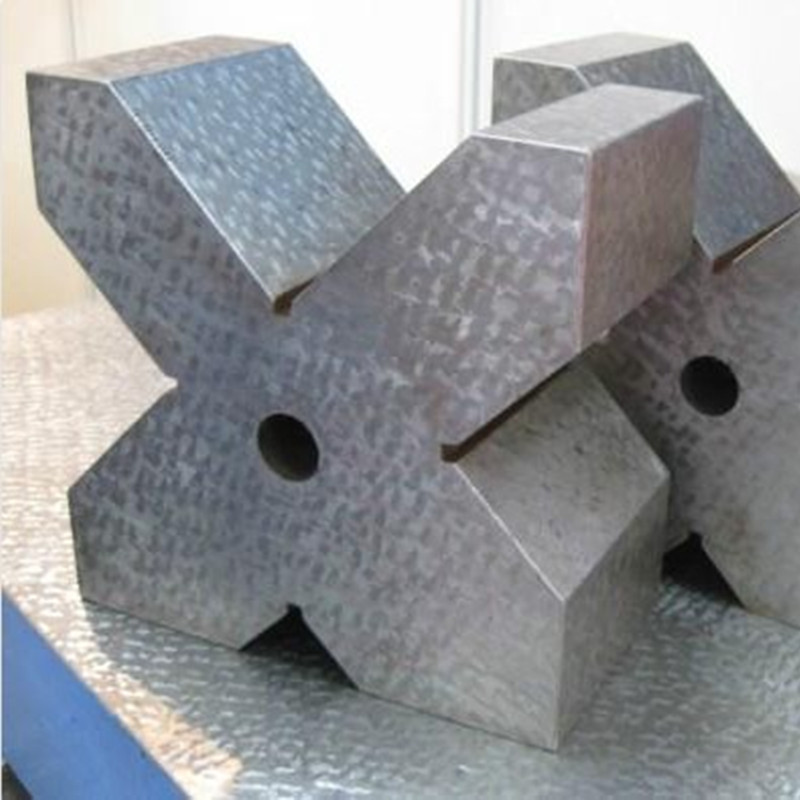
Van bướm chất lượng cao - Giải pháp van công nghiệp hiệu quả
Công ty van bướm (butterfly valve company) đã và đang đóng một vai trò quan trọng trong ngành công n

Vanne 100mm prix
Les vannes à guillotine sont des dispositifs essentiels dans de nombreux systèmes de plomberie et d'
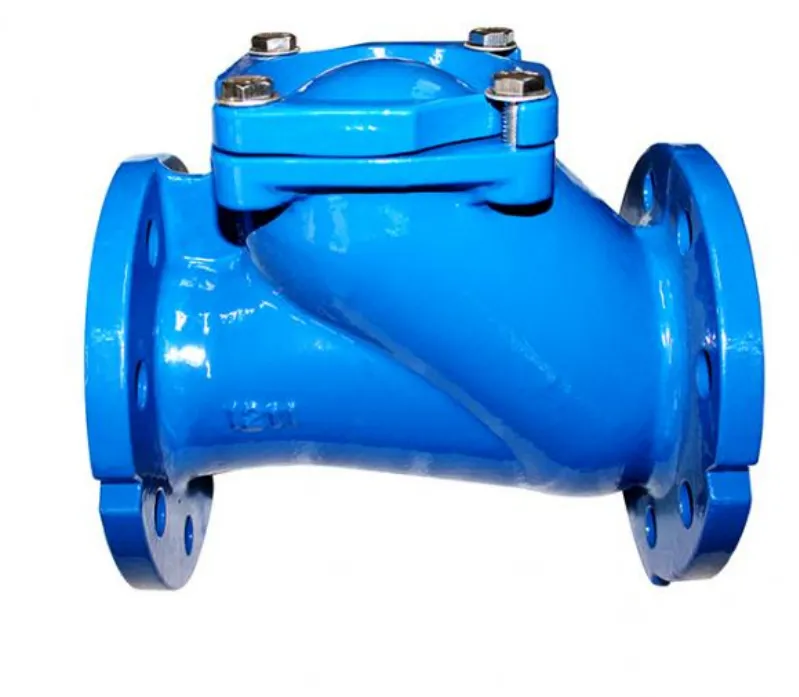
Versatile Snap Gauge with Adjustable Range for Precise Measurement in Various Applications
Understanding Adjustable Snap Gauge Ranges In the world of precision measurement, tools like the adj
 English